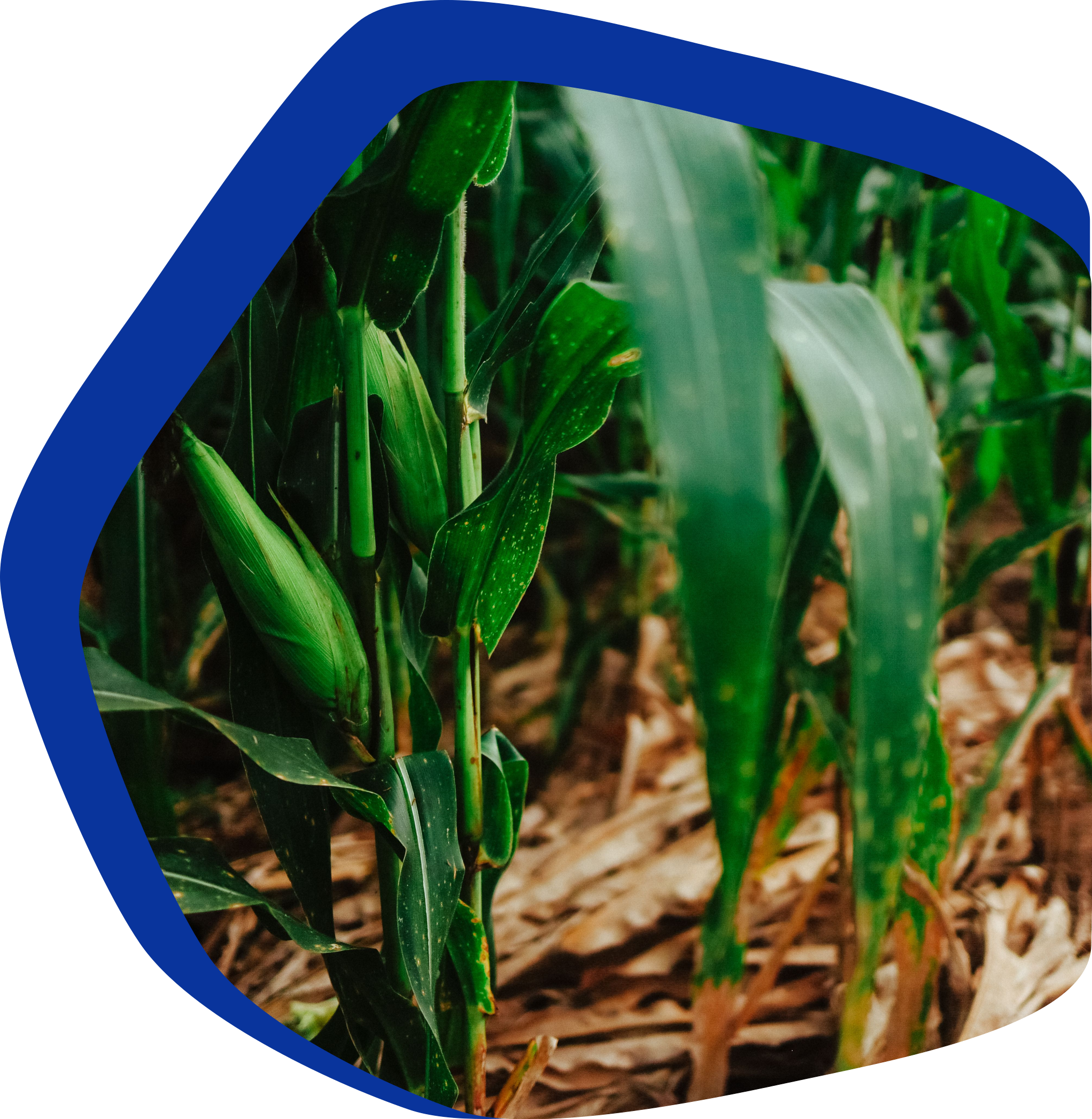
BECCS consists of converting biomass (e.g. farmed bioenergy crops, forests, residual biomass or industrial organic waste) into energy (usually through burning), capturing the resulting CO2 and storing it underground in geological reservoirs. The bioenergy needs to be provided at zero or low carbon emissions (i.e. as much additional CO2 needs to be sequestered when growing the feedstock as is released during conversion). Because CO2 is captured during the biomass growth and subsequently stored underground, BECCS leads to a removal of CO2 from the atmosphere.
-> Review to be added soon
find more information on BECCS in the CDRatlas here